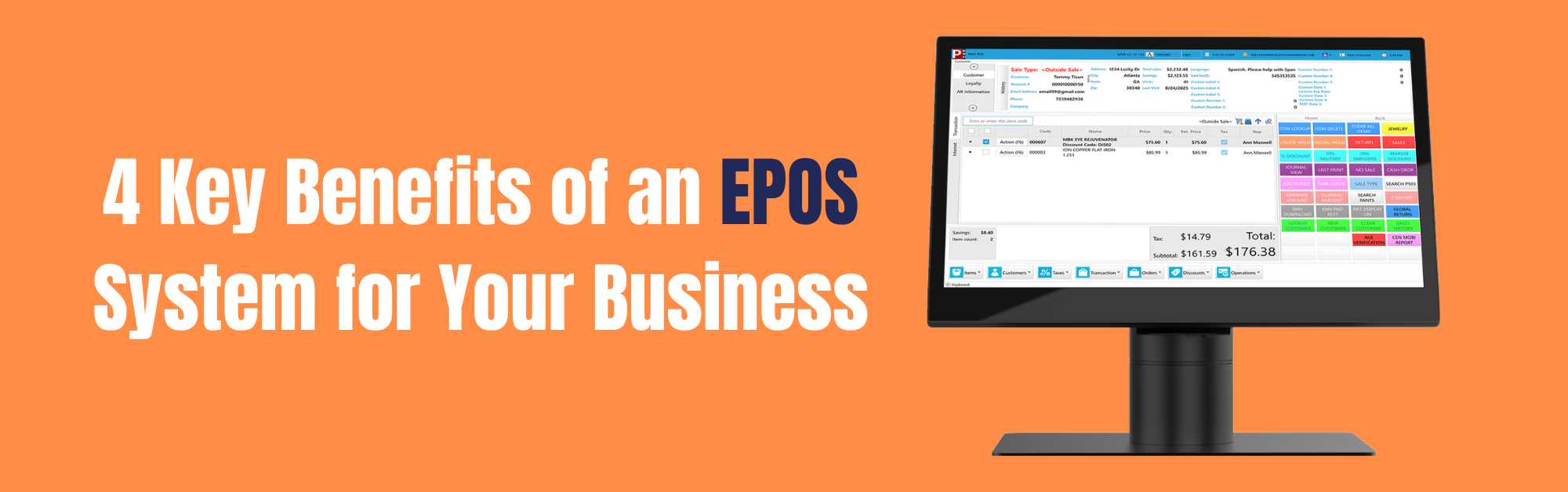
If you’ve purchased something from a store in the last 20 years, chances are you’ve interacted with an EPOS (Electronic Point of Sale) system. From small independent shops in Ireland to global retail chains, EPOS systems have become an essential part of modern retail operations.
Today’s systems are more intuitive, more powerful, and far more accessible than ever before.
They’re no longer a luxury reserved for large enterprises but a practical, scalable solution for businesses of all sizes.
So, what can an EPOS system actually do for your business?
1. Reduce Human Error
Manual processes often leave room for mistakes, whether it’s pricing errors, incorrect stock entries, or inconsistent discounts across locations.
An EPOS system helps eliminate these issues by centralising your product data and pricing. Products can be organised into categories, making them easy to locate and sell at the till. Promotions, discounts, and bundles can be managed from a single back-office system and applied consistently across all terminals.
This ensures accuracy across your entire operation, regardless of how many staff members or locations you have. The result is fewer errors, more consistency, and smoother day-to-day transactions.
2. Improve Customer Experience
Customer expectations are higher than ever; they want speed, accuracy, and a seamless experience across online and in-store channels.
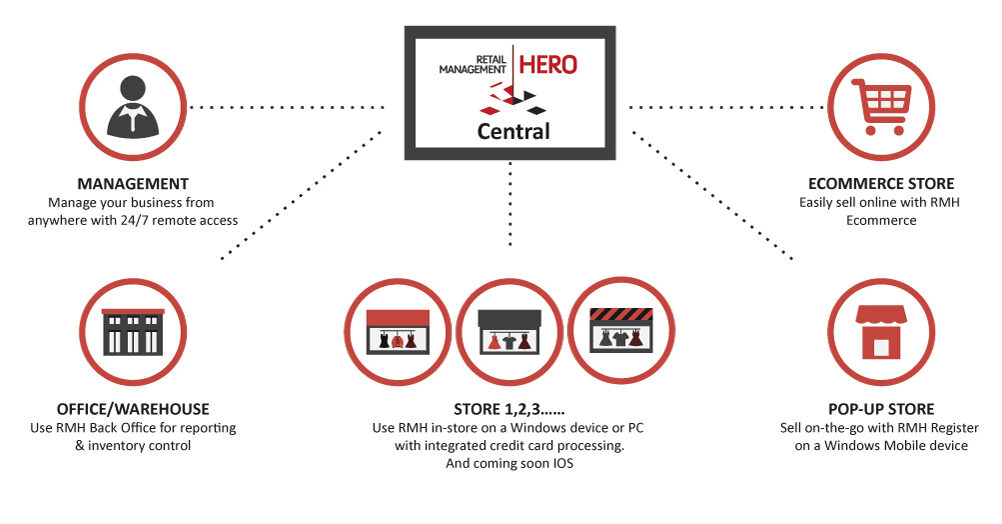
An integrated EPOS system updates stock in real time, so when an item is sold in-store, inventory automatically adjusts online. This reduces the risk of overselling and out-of-stock disappointment.
It also helps speed up checkout, reduce queues, and gives staff instant access to product information—creating a smoother, more reliable shopping experience for customers.
3. Manage Resources More Effectively
An EPOS system gives you access to clear, actionable insights across your business. From sales performance to stock levels, everything is available in easy-to-understand reports.
With this data, you can make smarter operational decisions. For example:
- Set automatic reorder thresholds to maintain optimal stock levels
- Identify best-selling products and adjust purchasing accordingly
- Analyse peak trading times and schedule staff more efficiently
Instead of relying on guesswork, you can base decisions on real-time data. This improves efficiency, reduces waste, and supports better overall profitability.
4. Market Your Business More Effectively
Modern EPOS systems do more than process transactions—they also help you build and leverage customer relationships.
At the point of sale, you can capture valuable customer data such as email addresses and purchase history. This information can be used to create targeted marketing campaigns, loyalty programmes, and personalised promotions.
By understanding what your customers buy and when they buy it, you can tailor your communications to be more relevant and effective. This helps increase repeat business and strengthen long-term customer loyalty.

EPOS systems are no longer just about taking payments; they’re a central hub for managing and growing your retail business.
If you’re considering upgrading or implementing a system, working with the right partner can make all the difference. At Positive Retail, we help businesses across Ireland choose and implement EPOS solutions tailored to their needs, with ongoing support every step of the way.
Related Posts
Price vs Value in Retail Technology Explained
POS value is not just about cost, but what you get behind the price. Setup quality, training, support, and transparency all determine long-term success. This guide helps retailers understand what truly matters when choosing a POS system.
5 Mistakes to Avoid When Selecting a Till System
Purchasing a Point of Sale system can be a daunting task, the market is flooded with options making it difficult to know which one is right for your business. A POS is the beating heart of any retail business, managing everything from inventory, customers, staff, purchasing, profit & loss and much more. It is vital that retailers select the right software from the outset to avoid unnecessary costs, headaches, and heartache.
As Point-of-Sale providers and retail consultants Positive Systems Solutions has helped hundreds of retailers through this process. Below is a list of the five mistakes to avoid when purchasing a POS system.
Still Using Pen, Paper and Cash Registers?
Many Irish retailers still rely on cash registers and manual stock tracking, which leads to hidden inefficiencies and costly errors. A modern retail POS system replaces guesswork with real-time data, faster stock counts, and better decision-making.