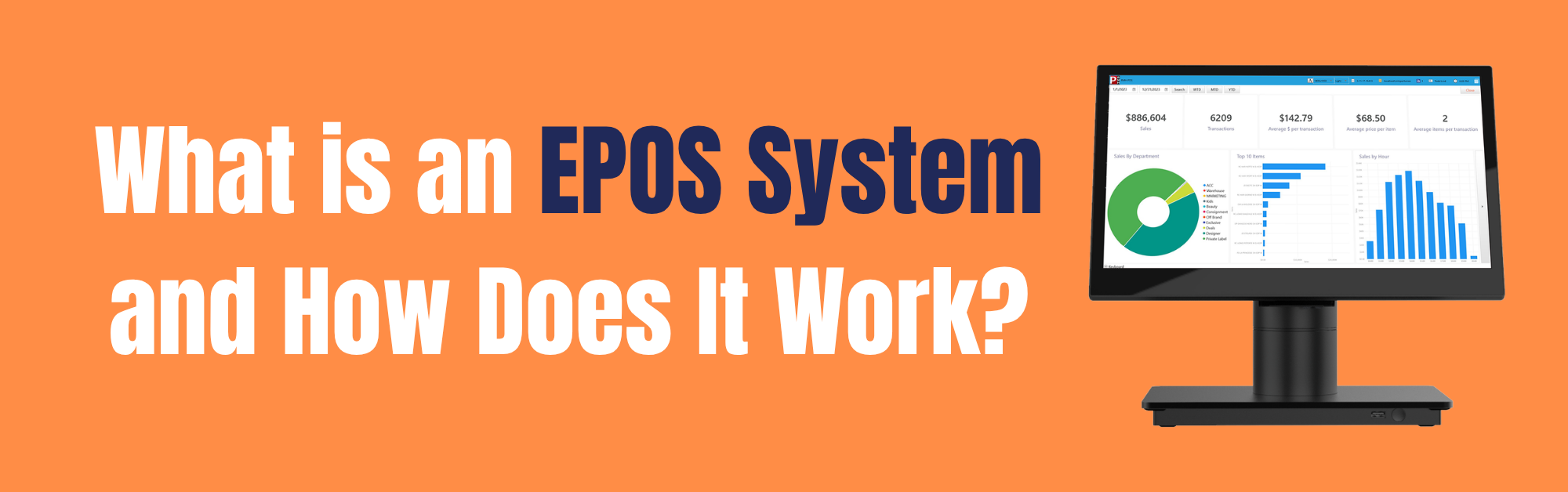
Running a retail business means managing sales, stock, customers and day-to-day operations. An EPOS system brings these essential areas together, combining checkout technology with powerful retail management tools.
Unlike a traditional cash register, an EPOS system does much more than process payments. It helps retailers manage inventory, track sales, understand business performance and deliver a better customer experience using accurate, real-time data.
What Does EPOS Stand For?
EPOS stands for Electronic Point of Sale. An EPOS system is a digital retail solution that allows businesses to process transactions while managing important areas of their operations.
A modern EPOS system typically includes:
- Hardware, including touchscreen terminals, barcode scanners, receipt printers and payment devices
- Software for managing sales, products, customers, stock and reporting
- Integrations that connect with eCommerce platforms, accounting software, loyalty programmes and other retail tools
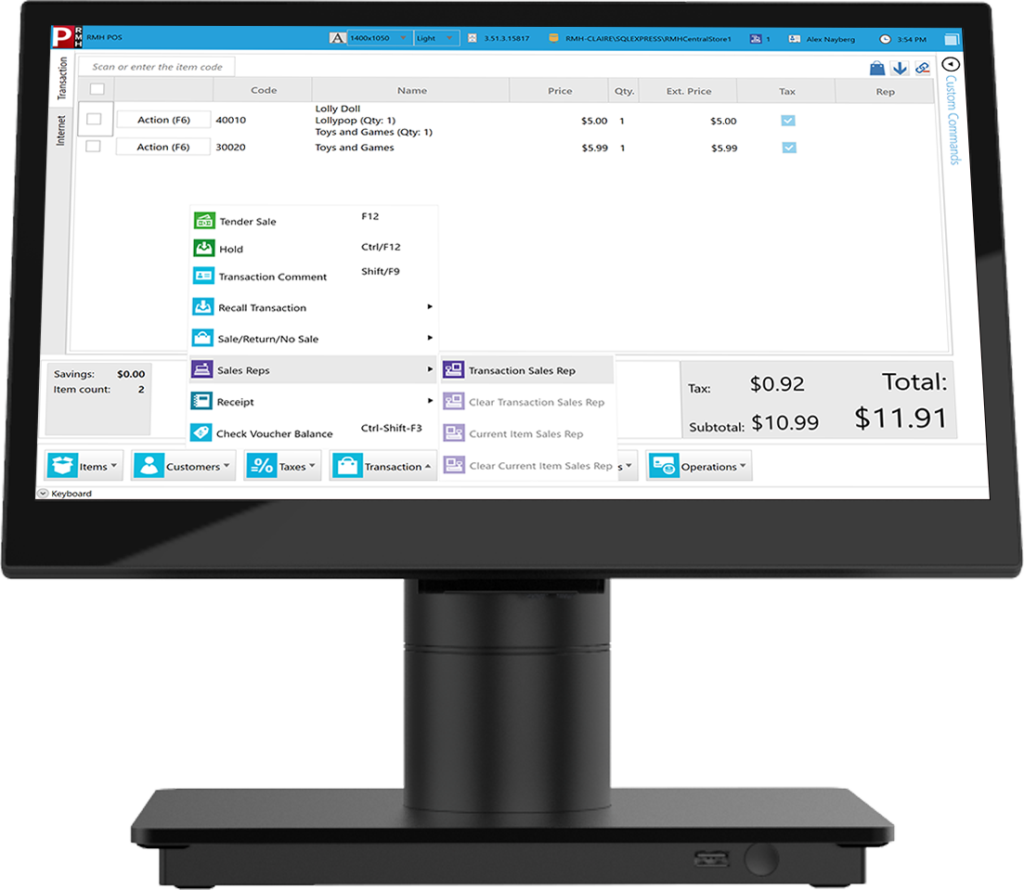
How Does an EPOS System Work?
Every time a customer makes a purchase, the electronic point of sale system automatically records the transaction and updates key areas of the business without staff needing to manually enter information.
A typical transaction works like this:
- The customer brings their items to the checkout.
- Staff scan the products or select them on the EPOS touchscreen.
- The system calculates the total, including discounts and promotions.
- The customer pays by cash, card or another payment method.
- The transaction is completed.
- Stock levels are automatically updated.
- Sales data is recorded for reporting and analysis.
- Customer information can be stored for loyalty and marketing purposes.
- Connected systems, such as accounting software or an online store, can update automatically.
What Are the Benefits of an EPOS System?
Better Stock Management
An electronic point of sale system helps retailers keep track of inventory in real time, making it easier to know what products are selling, what needs to be reordered, and where stock is available.
Faster Checkout Experience
Modern electronic point of sale systems help staff serve customers quickly with intuitive interfaces, barcode scanning, and integrated payment solutions.
Improved Reporting and Insights
Retailers can access sales reports and analytics to understand customer buying habits, identify trends, and make informed decisions.
Connect Your Retail Systems
A modern electronic point of sale system can integrate with eCommerce platforms, accounting software, CRM systems, and other retail tools to create a connected business ecosystem.
Enhanced Customer Experience
With access to customer data and loyalty features, retailers can create more personalised experiences and build stronger relationships.
EPOS in Action
Gerry McGuire’s is a family-run designer shoe and handbag boutique with over 50 years of retail experience, operating stores in Ballina and Castlebar, along with a successful online store.
With outdated and disconnected technology causing challenges for staff, Gerry McGuire’s needed a modern electronic point of sale solution. By implementing Retail Management Hero, they now have a connected system that improves stock control, reporting, and daily operations.
Related Posts
RMH Wizards: Simplify Retail Product Management
Discover RMH Wizards, practical tools for managing products, inventory and labels, helping retailers save time and simplify everyday retail tasks.
Q4 in Retail: How to Prepare for Peak Trading
Discover what Q4 in retail means for your business and how the right technology can help you manage stock, sales and promotions during peak season.
5 Retail KPIs Every Retailer Should Be Tracking
Discover 5 essential retail KPIs to track, from total sales and stock turnover to gross margin and sales per employee, to improve performance.