
As the seasons change, retailers are already thinking about their Autumn/Winter stock. But before you start placing orders, have you looked back at what actually sold last year?
Effective stock planning starts with understanding your previous sales performance. By using last year’s sales data, you can make more informed purchasing decisions, avoid over-ordering and ensure you have the right products available when your customers are ready to buy.
Start With Last Year’s Sales
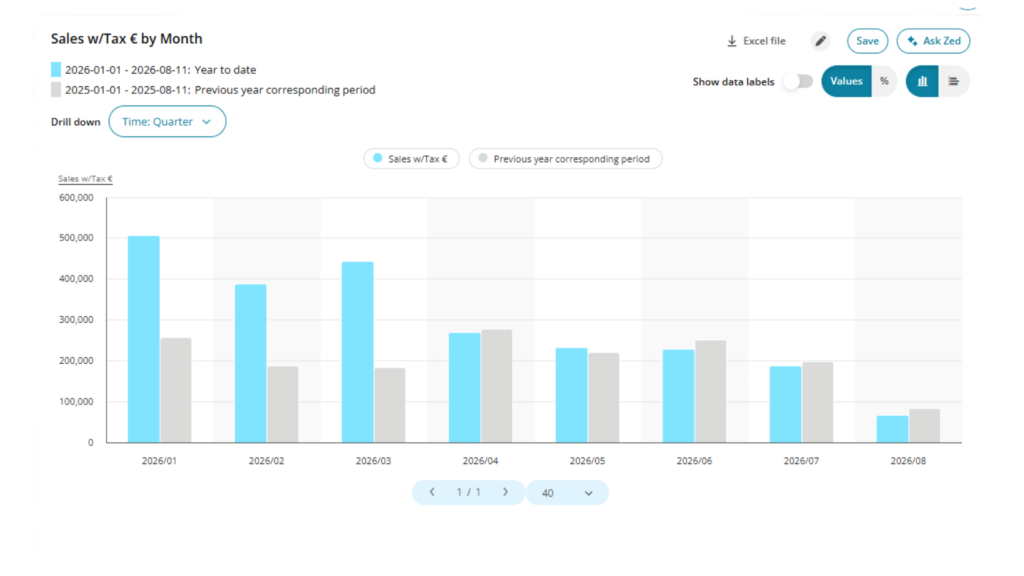
Before making your Autumn/Winter purchasing decisions, take the time to review what happened during the same period last year. Your sales reports can provide valuable insight into what your customers bought, when they bought it and which products performed best.
Looking back at this information can help you spot trends, identify opportunities and make more confident decisions about the stock you need this year.
What Were Your Best Sellers?
Your best-selling products from last Autumn/Winter can give you a useful indication of what your customers may be looking for again this year.
Look at your sales reports and identify which products and categories consistently performed well. These are the products you may want to prioritise when planning your next orders.
It is also important to look at when these products sold. If demand increased significantly during a particular month, week or trading period, this can help you plan when your stock needs to be available.
What Didn’t Sell?
Looking at what didn’t sell is just as important as identifying your best sellers.
If certain products were slow-moving last year, consider whether you need to order the same quantities again. Your reports can help you identify products that remained on the shelves for too long or tied up valuable cash.
Understanding your slow movers can help you make more informed purchasing decisions, avoid over-ordering and reduce the risk of being left with excess seasonal stock.
Did You Run Out of Popular Items?
Running out of a popular product can mean missing out on valuable sales.
Look back at last year’s stock levels and identify products that sold quickly or regularly went out of stock. Could you have ordered more? Did you receive your stock in time? Were there particular periods when demand was higher than expected?
These insights can help you plan your purchasing earlier and ensure your best-selling products are available when customers are ready to buy.
The Importance of Retail Reporting for Stock Planning
Retail reporting plays an important role in effective stock planning. Instead of relying on guesswork or instinct, your reports give you access to real sales data that can help you understand what is happening in your business.
By reviewing sales performance, product demand and stock levels, you can identify what worked, what didn’t and where there may be opportunities to improve. This information can then be used to support better purchasing decisions and help you plan your Autumn/Winter stock with greater confidence.
Make Your Reports Part of Your Buying Strategy
Stock planning shouldn’t be based entirely on instinct.
Your POS system can provide valuable information about your customers, products and sales performance. By reviewing this information before placing your Autumn/Winter orders, you can make purchasing decisions based on what your business already knows.
Your reports can help you answer important questions, such as what should I order, how much should I order and when will I need it?
A modern electronic point of sale system can integrate with eCommerce platforms, accounting software, CRM systems, and other retail tools to create a connected business ecosystem.
Plan Ahead
The right reports can help you understand what worked last season and use those insights to prepare for the next one.
With Zoined AI, you can turn your sales and stock data into clear, actionable insights, helping you identify trends, understand demand and make more informed purchasing decisions. Using these insights as part of your stock planning can help reduce the risk of over-ordering or running out of your best sellers.
Related Posts
Autumn/Winter Stock Planning: Use Your Sales Data
Improve your Autumn/Winter stock planning with sales data. Learn how retail reports can help you buy smarter, avoid overstock and reduce missed sales.
5 Steps for a Successful End-of-Summer Promotion
Plan a successful end-of-summer promotion with practical tips on offers, stock, eCommerce, staff and customer data to drive more retail sales.
Competitive Advantage in Retail
Build a Competitive Advantage in Retail with smart technology, better inventory management, real-time reporting and POS solutions designed to help retailers grow.