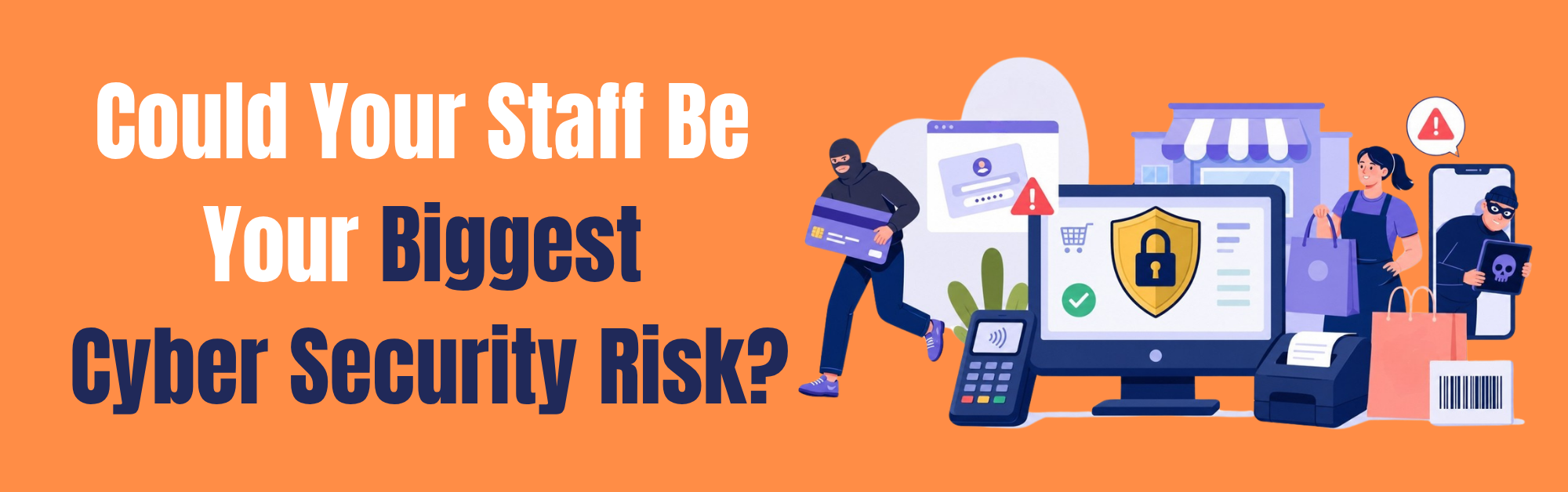
Cyber crime is no longer a rare or isolated issue. It has become a daily operational risk for retailers. Retail Cyber Security is no longer just about installing antivirus software or firewalls. From phishing emails and ransomware to social engineering scams, cyber threats are becoming more sophisticated, more targeted, and more damaging.
Cyber Threats Are Increasingly Human-Driven
Retail Cyber Security incidents are now often caused by employees being targeted and manipulated rather than systems being directly broken.
Attackers focus on people, using tactics designed to trick employees into providing access, sharing information, or approving requests that appear legitimate.
This means employee awareness and strong internal security processes are now just as important as firewalls, antivirus software, and system monitoring tools.
In many cases, security breaches start with something simple, such as an employee receiving a password reset request, answering a phone call that appears genuine, or responding to an email that looks like it is from a trusted supplier or internal team.
Retail Under Attack: Marks & Spencer
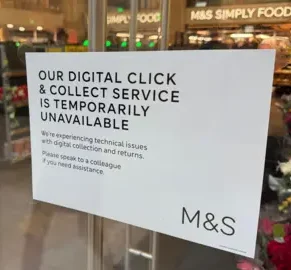
A recent high-profile cyber attack affecting Marks & Spencer highlights how disruptive modern cyber threats can be for retailers. Rather than directly attacking systems, criminals used social engineering to gain access.
The attack caused major disruption across contactless payments, Click & Collect, online ordering, deliveries, and supply chain operations, resulting in significant financial losses.
This shows that cyberattacks can have a major impact even when core systems are not fully compromised.
What This Means for Your Business
Every organisation is now a potential target, regardless of size. Retail Cyber Security should be a priority for every business. Retail businesses can be particularly exposed due to the number of daily transactions, the number of employees accessing systems, reliance on third-party platforms and integrations, and the pressure to maintain fast customer service.
These factors can create opportunities for attackers to take advantage of urgency, distraction, or unclear processes. A single mistake, such as responding to a convincing phishing email or approving an unusual request without verification, can lead to wider security risks for the business. Investing in Retail Cyber Security helps reduce these risks and strengthens your overall security posture.
Could Your Staff Spot a Cyber Threat?
How to identify phishing emails and suspicious links:
Teach employees how to spot warning signs such as unexpected emails, urgent requests, unusual attachments, and links asking them to enter login details.
How to verify requests before taking action:
Employees should always confirm the identity of anyone requesting passwords, access changes, sensitive information, or urgent actions, even if the request appears to come from a trusted contact.
Following secure processes for system changes:
Ensure staff understand that software updates, access changes, and system requests should always follow the correct approval process.
Recognising social engineering attempts:
Train employees to be aware of phone calls, messages, and conversations designed to create urgency or pressure them into sharing information.
Reporting suspicious activity quickly:
Encourage staff to report anything unusual, including unexpected emails, system behaviour, or requests, so potential threats can be investigated early.
Using official support channels only:
Employees should know the correct way to contact support teams and avoid engaging with unknown contacts who may be impersonating trusted providers.
Small mistakes can create significant security risks. Regular cybersecurity training helps employees make safer decisions and strengthens your organisation’s Retail Cyber Security.
Support & Security at Positive Retail
Our support team is based in Dublin and our process is designed not only to assist customers but also to support Retail Cyber Security by helping prevent phishing, social engineering, and other cyber threats.
All support requests must be submitted by email to our support team or through the support portal on our website.
This ensures every request is properly recorded, verified, and authorised, helping to protect your business and maintain a secure support environment.

Related Posts
Christmas Stock: Why Retailers Should Order Early
Planning your Christmas stock early can help you avoid shortages and excess stock. Use sales data and reports to prepare for the Christmas rush.
RMH Wizards: Simplify Retail Product Management
Discover RMH Wizards, practical tools for managing products, inventory and labels, helping retailers save time and simplify everyday retail tasks.
Q4 in Retail: How to Prepare for Peak Trading
Discover what Q4 in retail means for your business and how the right technology can help you manage stock, sales and promotions during peak season.